What is red light therapy?
Pain relief without medicine or surgery might sound too good to be true, but red light therapy offers exactly that.
Red light therapy uses photobiomodulation, which is a low-level laser therapy that delivers red and near-infrared light to areas of your body. In doing this, it helps regenerate (or grow back) cells, restore cell function and trigger blood flow. In turn, this helps to heal and relieve pain.
Photobiomodulation was discovered about half a century ago. Now, it’s used to treat all kinds of ailments, sometimes multiple at the same time. It relaxes muscles, which relieves muscle spasms, pain and stiffness. It has a similar effect on joints, including relieving aches, pains and stiffness.
Red light can be absorbed into the skin to a depth of about eight to 10 millimeters, at which point it has positive effects on cellular energy and multiple nervous system and metabolic processes. This type of light is considered “low level” because it works at an energy density that’s low compared to other forms of laser therapies.
If you’ve never heard of red light therapy before, you might already be familiar with other terms that are used to describe this treatment, such as photobiomodulation (PBM), low-level light therapy (LLLT), biostimulation, photonic stimulation or simply light box therapy.
Although there is still controversy over this treatment and more research is needed, according to some reports, there are virtually no known adverse side effects of red light therapy treatments, but there is a growing list of potential anti-aging benefits.
How does it work?
A 2012 report published in Annals in Biomedical Engineering stated that red light is used in three primary ways:
- to lower inflammation, edema and chronic joint disorders
- to promote healing of wounds, deep tissue and nerves
- to help treat neurological disorders and pain
It’s been found to help promote stronger immunity and longevity by increasing cell proliferation and migration, as well as modulating levels of cytokines, growth factors and inflammatory mediators.
Red light therapy devices
There are several different devices designed for red light therapy, include:
Red light therapy mask. This at-home device targets the face, helping reduce wrinkles, acne and signs of aging. While generally lower-powered than professional units, consistent use can yield improvements in skin texture and tone. This mask goes over your whole face, with red LED lights on the inside aimed at the skin.
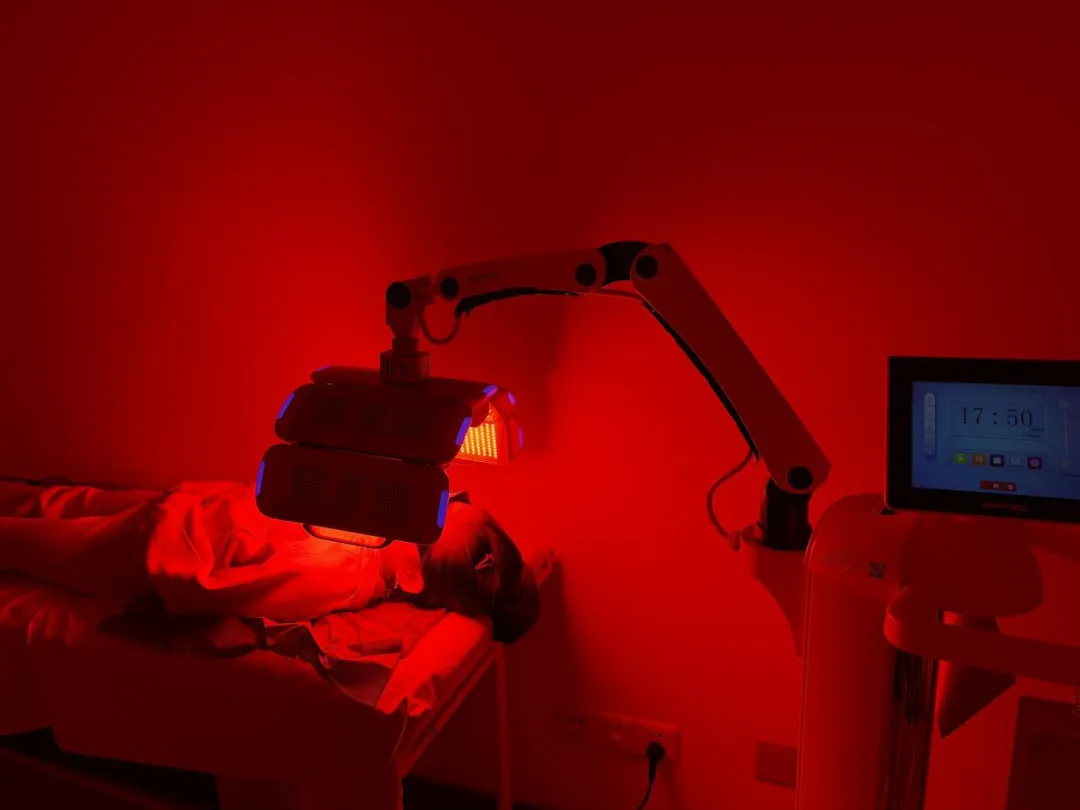
Red light therapy bed. Full-body LED panel systems, in this case integrated into a bed that is similar to a tanning bed, deliver greater power over larger areas. This allows for potential systemic benefits, including improved circulation, recovery, sleep support and muscle/joint relief, beyond localized skin improvements.
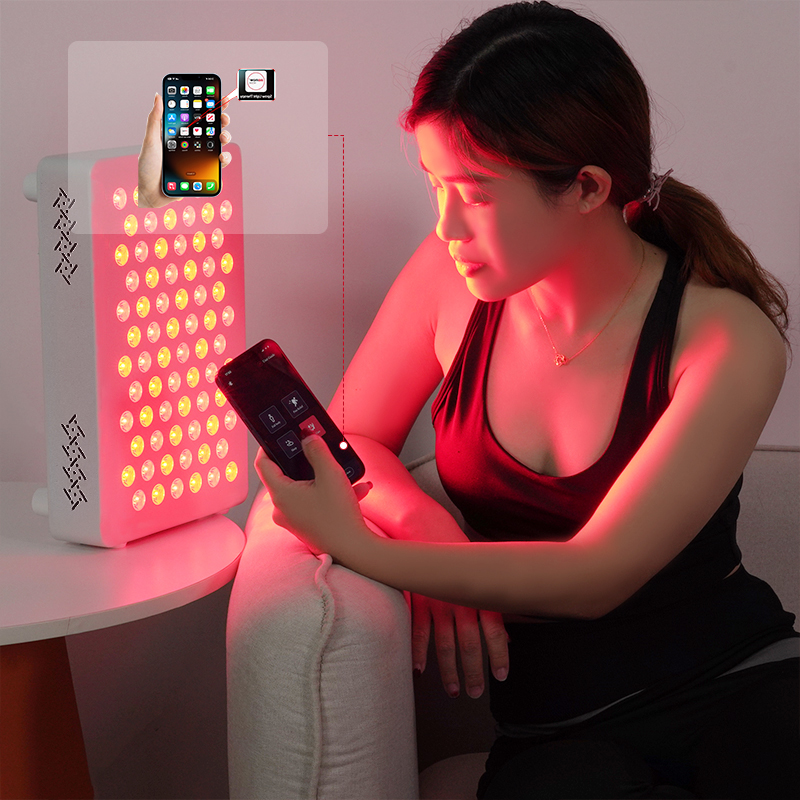
Red light therapy panel. Stand-alone LED panels offer versatile use for localized or full-body treatments. Compared to masks, panels deliver more energy and broader coverage, enabling more benefits for the whole body. Panels can vary in size and are typically mounted on the wall or placed on a flat surface.
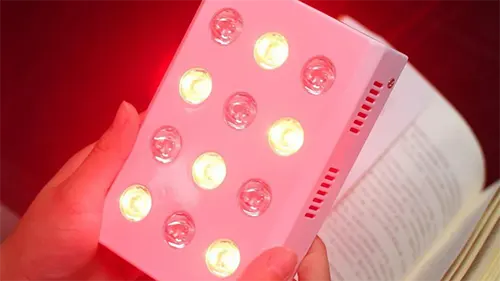
Red light therapy wand. Handheld devices provide targeted, portable light delivery, ideal for small areas or spot treatments like acne or minor muscle tension. They’re easy to use and convenient for home use.
Similar treatments
Red light therapy vs. blue light therapy
Blue and red light therapies, two forms of phototherapy (which also includes sun lamps), have some similar benefits and uses, although they work in different ways.
The mechanism of action of both is still not entirely well-understood, but it’s believed that PBM devices produce light with wavelengths similar to those of blue light lasers, only with broader output peaks. (They’re less monochromatic and don’t produce heat or friction.)
Blue light is more commonly used at home from light-emitting devices, especially for the treatment of acne. It’s been found that blue light reaches the sebaceous (oil) glands in the skin and can help kill porphyrins, which are compounds inside acne bacteria.
Red light is believed to penetrate the skin deeper and may also help acne and other skin disorders by reducing inflammation and improving healing.
Blue light and red light can be emitted from tabletop light therapy devices (which are used at home and usually weaker, requiring about a total of 30 minutes to one hour of treatment time twice per day) or from stronger devices used in doctors’ offices that work quicker (sometimes within just several minutes or less).
The Wellman Center for Photomedicine at Massachusetts General Hospital explained that there’s still widespread uncertainty and confusion surrounding the mechanisms of action of these light therapies, especially LLLT, at the molecular, cellular and tissue levels. There is also a large number of parameters for doctors to consider before treating individual patients (wavelength, fluence, irradiance, treatment timing and repetition, pulsing, and polarization) that can add to the confusion and patient variability in terms of results.
Photobiomodulation vs. infrared sauna treatment
Saunas use heat to produce biological effects, while red light therapy devices do not achieve results by heat alone.
Infrared saunas work by heating objects inside the sauna room, as opposed to heating the air itself like traditional saunas. They do this using charcoal, carbon fiber or other types of emitting surfaces to deliver infrared heat.
Heat is a form of stress that can have certain health benefits, such as potentially improving cardiovascular health, detoxification and physical performance. However, the purpose of PBM is to emit light right into your skin to positively affect cells, rather than using heat. These two therapeutic approaches can be combined since they each have unique effects, so don’t be afraid to try both.
How often should you do red light therapy?
Each individual will react to RLT somewhat differently. A general recommendation is to try this form of therapy consistently for about eight to 12 weeks.
You can begin with shorter sessions and consider increasing your time once you monitor your reaction. For best results, aim to complete three to five sessions per week for the first one to four weeks.