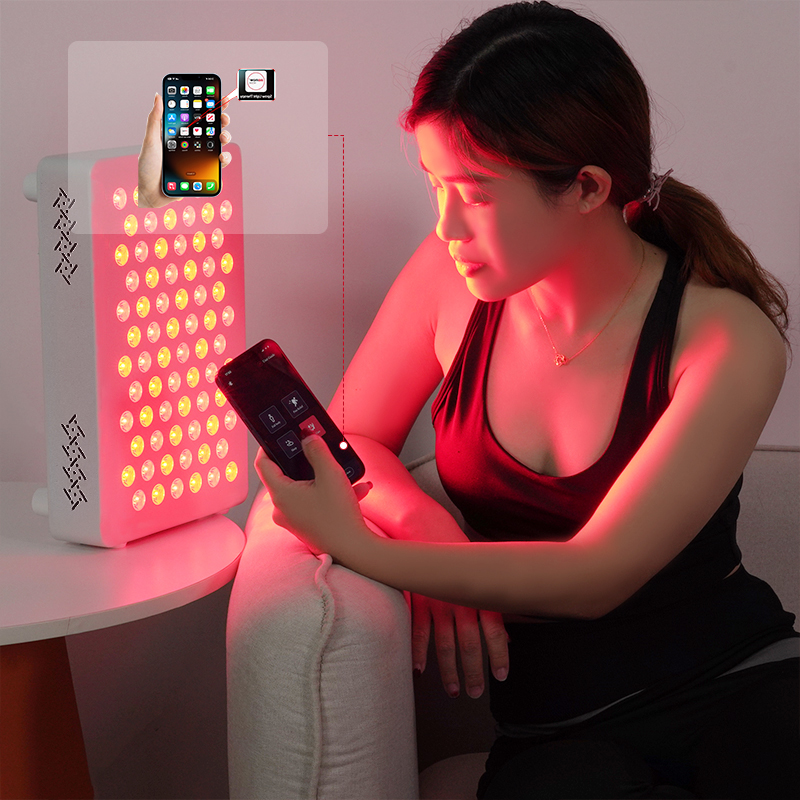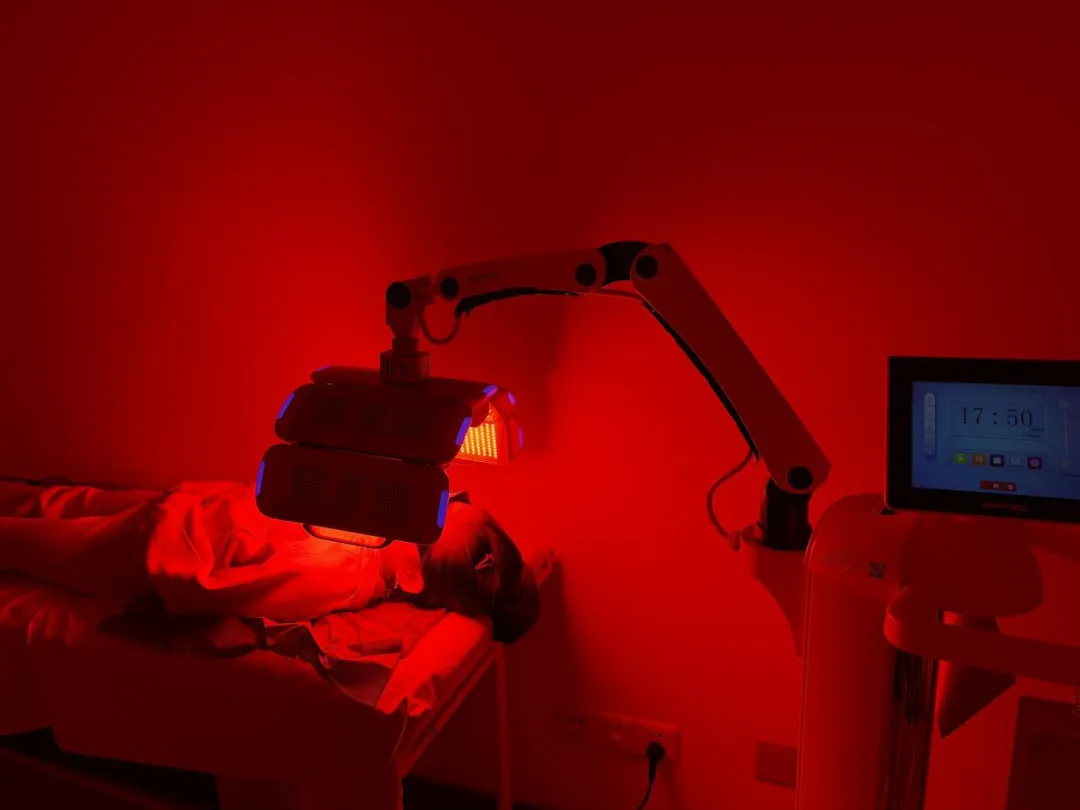
In the pursuit of health, red light therapy is gaining widespread attention as a non-invasive, advanced technology based on photobiomodulation. From medical clinics to home-use devices, many hope to improve skin conditions, alleviate pain, and promote recovery through this “gentle energy.” However, a crucial yet often overlooked question is: How often should red light therapy be administered to achieve desired goals safely and effectively?
This article will delve into the scientific principles, combining clinical practice and individual differences, to provide a comprehensive analysis of the optimal frequency for red light therapy, helping you develop a personalized and efficient treatment plan.
I. Understanding the Core: Why Is Frequency So Important?
The effects of red light therapy are not “instantaneous” but are achieved through cumulative effects and cellular rhythm regulation.
-
The “Dose-Response” Relationship in Photobiomodulation:
-
Threshold Effect: The light energy (dose) received by cells must reach a certain threshold to effectively activate mitochondria, promoting the production of ATP (the cellular energy currency) and reactive oxygen species (ROS) signaling molecules, thereby initiating biological processes such as repair and anti-inflammation.
-
Biphasic Dose Response: It’s not “the more, the better.” Research indicates that low to moderate doses typically produce positive stimulation, whereas excessively high single doses or overly frequent treatments may inhibit effects or even cause stress responses. Therefore, allowing cells adequate recovery time is as important as providing effective light exposure.
-
-
The Cycle of Cellular Repair and Regeneration:
-
Whether it’s collagen synthesis, reduction of inflammatory factors, or formation of new blood vessels, these are biological processes that require time. Continuous, uninterrupted stimulation may disrupt the cells’ own repair rhythm. Intermittent treatment (e.g., every other day or several times a week) aligns better with physiological patterns, allowing cells to carry out repair work in an orderly manner during the intervals, following the “instructions” from light stimulation.
-
-
Avoiding Tolerance and Maintaining Long-Term Efficacy:
-
Long-term, high-frequency use may lead to decreased sensitivity of the skin or tissues to stimulation. Scientific intervals help maintain cellular sensitivity to red light, ensuring long-term effectiveness. Furthermore, transitioning to a low-frequency maintenance phase after achieving desired results is key to consolidating outcomes and preventing recurrence.
-
II. Key Factors Determining Frequency: There Is No “One-Size-Fits-All” Solution
Before determining “how often,” the following variables must be comprehensively considered:
-
Treatment Goal (The Primary Determinant):
-
Treating Acute Issues (e.g., inflammatory acne flare-ups, acute sprains, post-operative wound healing): Higher initial frequency (e.g., daily or every other day) is often needed to quickly control symptoms and promote repair.
-
Improving Chronic Conditions (e.g., chronic arthritis, long-term skin aging, fibromyalgia): Regular, moderate frequency (e.g., 2-3 times per week) sustained over the long term is more suitable.
-
Aesthetics and Health Maintenance (e.g., anti-aging/skin rejuvenation, enhancing overall well-being, improving sleep): Primarily for maintenance and prevention, low frequency (e.g., 1-3 times per week) is often sufficient.
-
-
Device Parameters and Energy Output:
-
Wavelength: Common effective wavelengths are in the 630-670nm (red) and 810-850nm (near-infrared) ranges. Different wavelengths penetrate to different depths.
-
Irradiance & Dose: Medical/professional devices have higher energy density, requiring shorter single session times, and thus may have a relatively lower recommended frequency. Home-use devices have lower energy output and may require longer session times or slightly higher frequency to achieve a similar cumulative dose. Always follow the official guidelines of your specific device.
-
-
Individual Differences:
-
Skin/Tissue Sensitivity: Individuals with sensitive skin or constitution should start with low frequency and short duration, observing the reaction.
-
Severity and Duration of the Condition: More severe and long-standing issues typically require a longer treatment course, but not necessarily higher single-session frequency.
-
Personal Response and Sensation: Feeling relaxed, comfortable, or experiencing symptom relief after treatment are positive signs. If dryness, persistent redness, or discomfort occurs, reduce the frequency or duration.
-
III. Scenario-Based Frequency Recommendations
The following are general frequency guidelines based on common application scenarios. Be sure to adjust according to your individual situation and consult a professional for medical purposes.
Scenario 1: Skin Health & Aesthetics
-
Acne Treatment (Inflammatory):
-
Initial Phase: 3-5 times per week, 10-15 minutes per session, for 4-6 weeks.
-
Maintenance Phase: Once acne is controlled, reduce to 1-2 times per week to prevent recurrence.
-
-
Anti-Aging, Wrinkle Reduction, Skin Texture Improvement:
-
Intensive Improvement Phase: 3-4 times per week, 10-20 minutes per session, for 8-12 weeks.
-
Long-Term Maintenance Phase: 1-2 times per week, or every 2-3 days, consistently.
-
-
Wound Healing, Scar Repair:
-
Early/Acute Phase: Once daily, 10 minutes per session (avoiding fresh open wounds).
-
Chronic Phase/Scarring Phase: Every other day or 3 times per week; treatment may require several months.
-
Scenario 2: Pain Management & Sports Recovery
-
Acute Muscle Soreness, Sprains (after 48 hours):
-
1-2 times daily, 5-15 minutes on the affected area, until pain is significantly relieved.
-
-
Chronic Joint Pain (e.g., Knee Arthritis):
-
3-5 times per week, 10-20 minutes per session, long-term commitment. Studies show significant effects after 8-12 weeks.
-
-
Post-Exercise Recovery & Muscle Fatigue Relief:
-
Use within 30 minutes after training, 10-15 minutes per session; can be used frequently (e.g., daily or every other day).
-
Scenario 3: General Health & Wellness
-
Improving Sleep Quality, Regulating Circadian Rhythm:
-
Use in the morning or afternoon, 10-15 minutes per session, 3-4 times per week. Avoid evening use to prevent interference with melatonin secretion.
-
-
Promoting Hair Growth (e.g., Androgenetic Alopecia):
-
Requires high regularity, typically recommended daily or every other day, 15-25 minutes per session, for at least 3-6 months to evaluate efficacy.
-
-
Systemic Anti-Inflammation, Boosting Immunity (using full-body panels):
-
2-3 times per week, 10-20 minutes per session, is a common wellness frequency.
-
IV. Universal Safety Principles & Golden Rules
-
“Less is More,” Start Gradually: Especially when beginning, start with 2-3 times per week and shorter sessions (e.g., 5-10 minutes) to allow your body to adapt. If no adverse reactions are observed after 1-2 weeks, gradually increase frequency or duration.
-
Listen to Your Body: The ideal sensation after treatment is relaxation, comfort, and some symptom relief. If you experience abnormal dryness, persistent redness, itching, or discomfort, pause immediately and reduce the dose or frequency for subsequent sessions.
-
Commit to a Treatment Cycle: Red light therapy emphasizes “course treatment.” Typically, consistent use for at least 4-8 weeks is necessary to produce noticeable and stable improvement for chronic issues. Don’t expect results after just one or two sessions.
-
Utilize “Treatment Holidays”: After completing an intensive treatment cycle (e.g., 8-12 weeks of consecutive use), consider a 1-2 week break to allow your body to “reset.” This helps avoid tolerance and maintains good responsiveness in the next cycle.
-
Non-Negotiable Sun Protection: Red light therapy (especially for skin) may increase photosensitivity. Strict sun protection is essential after treatment to ensure effectiveness and prevent hyperpigmentation.
-
Know the Contraindications, Safety First: For pregnant women, individuals with photosensitive disorders, thyroid conditions, epilepsy, or suspected/confirmed malignant tumor sites, use must only be under explicit medical guidance and supervision, or avoided altogether.
V. Conclusion: Personalization is the Ultimate Rule
The ultimate answer to “How often should I do red light therapy?” is: It is a personalized plan based on scientific principles, device parameters, treatment goals, and ultimately, dynamically adjusted according to your individual bodily response.
The wisest approach is:
-
Define your primary goal.
-
Carefully read the user manual for your specific device.
-
Start with a conservative frequency and duration.
-
Keep a log: Record usage dates, session lengths, bodily sensations, and changes.
-
Seek professional guidance when necessary: For treating diseases and complex conditions, advice from a physiotherapist, dermatologist, or pain specialist is crucial.
Red light therapy is a key to unlocking the cell’s potential for self-repair, and the scientific frequency of use is the appropriate timing and force to turn this key. Mastering the rhythm and persisting patiently are essential for safely and steadily progressing towards the destination of health.