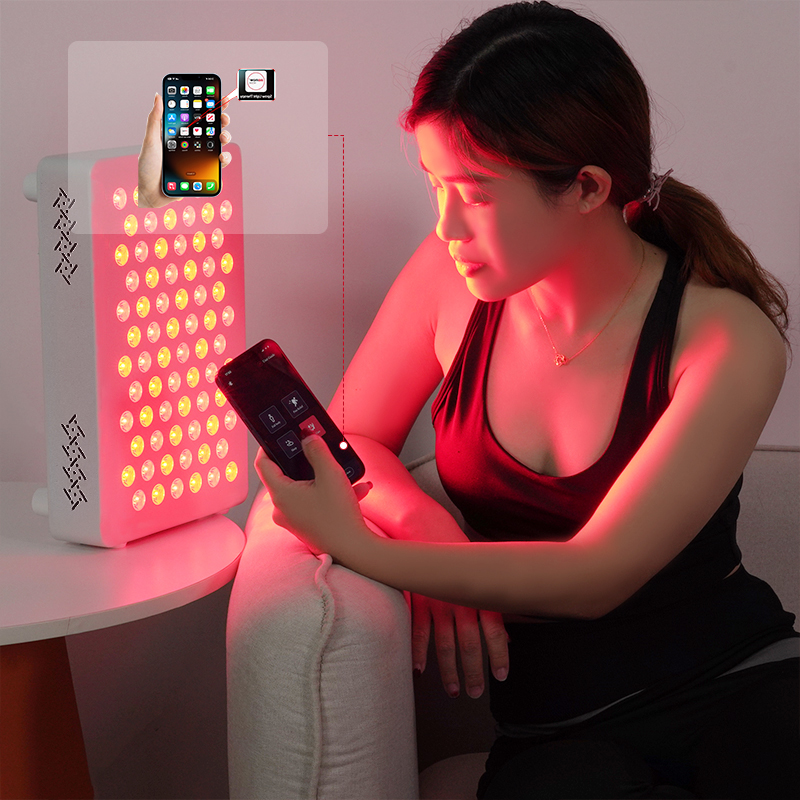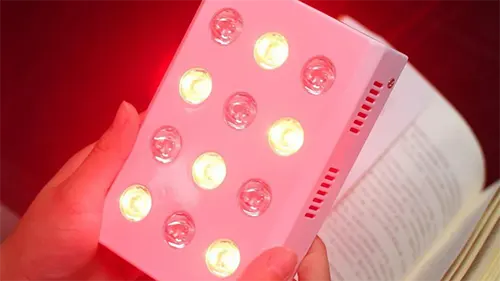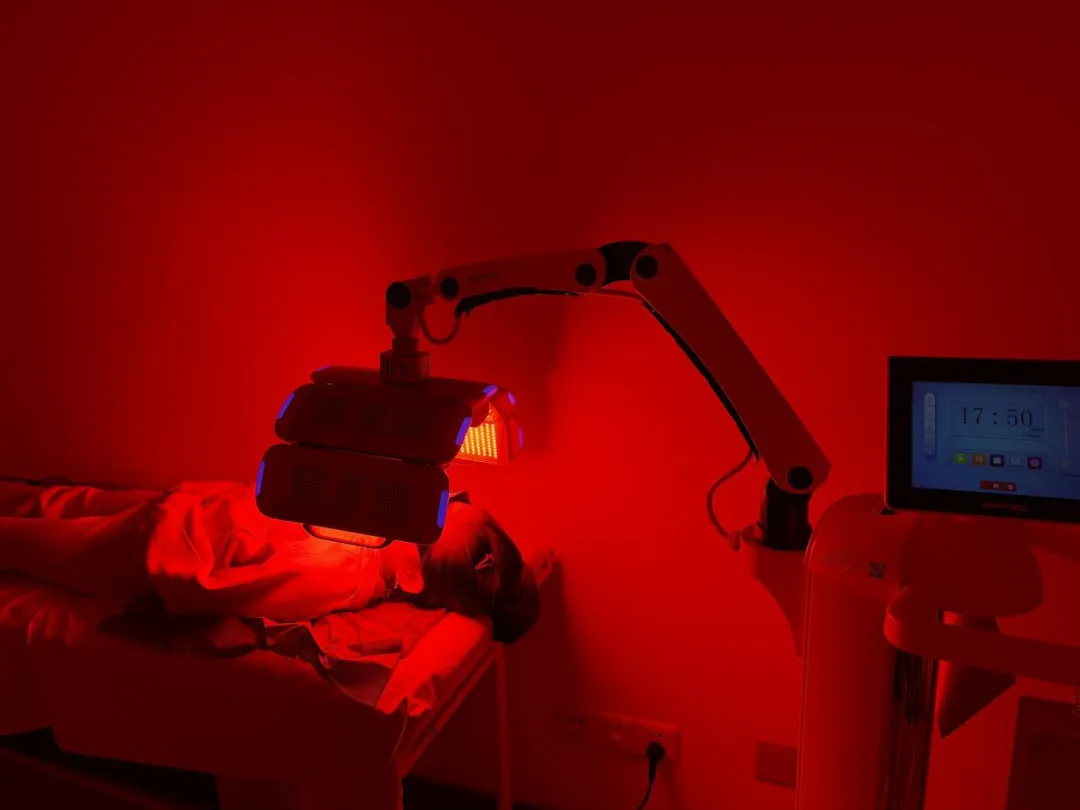
I.What is red light therapy?
Known medically as photobiomodulation and previously called low-level laser light therapy, it involves using devices that emit red or near-infrared light aimed at the skin. It’s available in a dermatologist’s office or through a plethora of at-home devices, many of which use LEDs or low-level lasers considered safe for home use, according to the American Academy of Dermatology (AAD). Even home versions can be expensive, however, with masks, caps, and wands typically costing several hundred dollars or more.
II.Applications of Different Light Wavelengths in Beauty and Treatment
Different wavelengths of light penetrate the skin to varying depths and have distinct effects, widely used in skin treatment and beauty applications
| Color | Main Wavelength Band (±5 nm) | Applications in Various Fields (Different wavelengths, different skin penetration depths) |
|---|---|---|
| Violet Light |
415 nm
430 nm
|
Blue-violet light can reduce inflammation, sterilize, and soothe. It can also purify the skin and has certain therapeutic effects on anemia and pain. |
| Blue Light |
460 nm
|
— |
| Emerald Green Light |
525 nm
|
Green light is the most common color in nature and is considered a neutral color. It has balancing and calming effects, and can improve skin roughness, wrinkles, blackheads, and acne caused by sun exposure and mental stress. |
| Yellow Light |
590 nm
|
Yellow light can improve the oxygen exchange function of cells: it promotes blood circulation, lymphatic detoxification, increases capillary toughness, enhances skin immunity, and reduces skin sensitivity; it can also decompose pigments and lighten spots. |
| Orange Light |
605 nm
|
— |
| Red Light |
630 nm
640 nm
660 nm
|
Red light is another multifunctional light that can repair wounds and improve allergic reactions; red light inhibits inflammation by suppressing cyclooxygenase, while also promoting blood circulation, stimulating collagen regeneration, and reducing the formation of acne scars. |
| Infrared |
810 nm
830 nm
850 nm
880 nm
940 nm
|
The basic principle of infrared light therapy is to raise body temperature, causing blood vessels to relax and increasing the body’s metabolic rate, which can increase the elasticity of ligaments, joint capsules, and muscles, and promote healing. |
Common light therapies can be categorized into three types: infrared, ultraviolet, and visible light.
1) Infrared Light:
Also known as thermal radiation, it has a wavelength range of 800–5000 nm. When applied to the human body, it produces a warming sensation, helps dilate blood vessels, promotes blood circulation, and enhances the body’s resistance.
2) Ultraviolet Light:
With a wavelength range of 200–400 nm, ultraviolet light activates bodily functions, increases metabolism, and possesses bactericidal and sterilizing effects against germs and viruses.
3) Visible Light:
Visible light falls within the wavelength range of 400–800 nm. The human retina can perceive various colors such as red, blue, and green. Visible light generates a mild thermal effect beneath the skin, which stimulates cell regeneration, helps relieve pain and inflammation, accelerates wound healing, and improves various physiological functions of the body.
Visible light can also assist in treating mental health conditions, primarily by promoting calmness and emotional well-being, thereby alleviating and preventing the onset of depression.
The red light used in “red light therapy” belongs to the category of visible light.
III. Application Mechanism of Red Light
Red light can penetrate the dermis to a depth of 8–10 mm, with a wavelength range of 600–700 nm. It belongs to cold light sources, and its therapeutic mechanism involves inducing photochemical reactions in biological tissues, thereby generating significant biological effects and therapeutic outcomes.
❶ Mitochondria within cells exhibit the highest absorption of red light. After red light irradiation, the activity of mitochondrial catalase increases, thereby enhancing cellular metabolism.
❷ It increases glycogen content, promotes protein synthesis, and accelerates adenosine triphosphate (ATP) breakdown, thereby strengthening cell regeneration and facilitating the healing of wounds and ulcers.
❸ Simultaneously, it enhances the phagocytic function of leukocytes, boosting the immune response of the body. Hence, it is clinically applicable for treating various diseases.
❹ Within a relatively short period, it promotes the solidification of proteins in affected tissues, improves local blood circulation, enhances immune function, stimulates local tissue metabolism, and induces a series of beneficial reactions. These include promoting the generation of new squamous epithelial cells, accelerating the absorption of exudates, reducing muscle tension, and ultimately achieving goals such as reducing swelling and inflammation, alleviating pain, eliminating necrotic tissue, accelerating wound healing, and eradicating diseases.
IV. Main Functions of Red Light in Medicine
-
Increased Cellular Energy Supply: Experimental evidence shows that red electromagnetic waves can increase ATP levels in Hela cells by 190%.
-
Elimination of Free Radicals: Aging and functional decline in the human body are closely related to free radicals. Conditions such as cerebrovascular diseases and coronary heart disease generate large amounts of free radicals during onset. Medical red light can significantly enhance superoxide dismutase (SOD) activity, aiding in the elimination of free radicals in patients.
-
Promotion of Wound Healing: It promotes the proliferation of fibroblasts and endothelial cells, increases cellular metabolism, and stimulates cell synthesis, thereby accelerating wound healing.
-
Enhanced Blood Oxygen-Carrying Capacity: It improves the binding capacity of hemoglobin (Hb) to oxygen (O₂), significantly increasing the blood’s oxygen-carrying capacity (by 7.6%).
-
Improvement of Microcirculation Disorders: The occurrence and progression of most cardiovascular and cerebrovascular diseases are related to hemodynamic disorders. Medical red light can enhance the deformability and fluidity of red blood cells, improve platelet aggregation, regulate lipoprotein profiles, lower blood lipids, reduce blood viscosity, and ameliorate hemodynamic disorders, thereby improving the human microcirculatory system.
V. Medical Applications of Red Light
-
Anti-inflammatory and Analgesic Effects: During inflammation, local tissue serotonin levels increase (causing pain), which decreases after red light irradiation, producing an analgesic effect. It enhances leukocyte phagocytosis, improves immune function, and strengthens the body’s defense mechanisms. Promotes hair growth, accelerates bone callus healing, and aids nerve regeneration.
Dermatology: Herpes zoster, alopecia areata, lower limb ulcers, bedsores, phlebitis, erysipelas, boils, dermatitis, folliculitis, acne, paronychia, rosacea, anal pruritus, frostbite, and various types of warts.
-
Promotion of Wound and Ulcer Healing: Red light stimulation increases fibroblast numbers and collagen formation, thereby enhancing cell regeneration and promoting granulation tissue growth. It is effective for conditions such as refractory ulcers caused by X-ray therapy, malnutrition ulcers due to phlebitis, bedsores from prolonged bed rest, and poor surgical wound healing.
Surgery: Wound infections, abscesses, ulcers, prostatitis, lumbar muscle strain, anal fissures, frozen shoulder, soft tissue contusions, burns, post-injection indurations, surgical wound healing, etc.
-
Gynecology: Chronic pelvic inflammatory disease, adnexitis, cervical erosion, vulvar leukoplakia, genital itching, cystic hyperplasia of the breast, acute mastitis, nipple erosion, postpartum infections, and postoperative recovery.
-
Internal Medicine: Pediatric diarrhea, ischemic heart disease, chronic gastritis, pediatric pneumonia, neuralgia, etc.
-
Otolaryngology: Chronic rhinitis, tonsillitis, external otitis, laryngitis.
-
Burn Care: Second-degree burns, infections, and surgical wound healing.
-
Photodynamic Therapy: Used in conjunction with photosensitizing drugs for the treatment or adjuvant therapy of benign/malignant tumors.
VI. Contraindications for Red Light Use
Red light therapy is a form of physical therapy and generally has no side effects. However, depending on the treatment area, temporary discomfort and other reactions may occur, such as a foreign body sensation in the eyes or skin bumps, which are normal.
Red light should not be directed into the eyes for extended periods, applied to the abdomen of pregnant women, or used on patients with pacemakers, newborns, infants, or individuals deemed unsuitable by a physician.
VII. Effects of Red Light on the Human Body
-
Improves skin tone, reduces pigmentation, and lightens spots.
-
Reduces skin wrinkles, firms the skin, enhances contours, diminishes scars and various striae; treats acne.
-
Improves microcirculation, promotes blood circulation, reduces stasis, enhances metabolism, and facilitates heavy metal excretion.
-
Boosts the immune system, activates cells, and increases physical energy.
-
Alleviates insomnia, prevents and reduces depression, and promotes emotional well-being.
-
Reduces free radicals and delays aging.
-
Reduces inflammation and swelling, alleviates pain, and improves cervical and lumbar spine conditions.
-
Increases collagen production, making the skin more elastic.
-
Enhances blood circulation, accelerates skin lesion healing, promotes muscle repair, and reduces skin inflammation and pain.
-
Provides symptomatic relief for conditions such as cervical spondylosis, migraines, frozen shoulder, wound healing, lumbar muscle strain, abdominal pain/diarrhea, soft tissue injuries, rheumatoid arthritis, and sports injuries.
VIII. Does Red Light Have Side Effects on the Human Body?
Generally, red light therapy has no side effects. However, some individuals may experience allergic reactions, such as localized redness, swelling, or itching after treatment, including minor skin bumps or a foreign body sensation in the eyes. These reactions are temporary and typically resolve on their own.
Additionally, avoid directing red or blue light into the eyes during or after treatment, as this may cause eye inflammation or discomfort.
IX. Why Not “Blue Light Therapy” or “Green Light Therapy”?
This is related to the penetration depth of light.
The penetration depth of light depends on the properties of the tissue medium. In human tissues, the most significant factors affecting light penetration are the absorption of light by hemoglobin (Hb), oxyhemoglobin (HbO₂), and water molecules.
Protein molecules exhibit strong absorption in the ultraviolet region, while hemoglobin and oxyhemoglobin show strong absorption below 600 nm. As a result, red light penetrates significantly deeper than blue light.
Of course, in clinical practice, different wavelengths of light are selected based on actual conditions and needs. For superficial lesions, blue or green light may be used, while for deeper issues, red light is employed. For instance, red light with a wavelength of 633 nm is used to irradiate affected areas for treating facial actinic keratosis.
Red light therapy is also a “powerful assistant” for doctors in treating acne in hospitals.
Propionibacterium acnes is the primary bacterium responsible for acne, typically residing in the skin’s hair follicles and sebaceous glands. If sebum contains high levels of components such as fatty acids, it can lead to acne. Red light therapy, with its excellent anti-inflammatory and bactericidal effects, is effective for mild to moderate acne. Red light irradiation can shrink sebaceous glands, kill Propionibacterium acnes, and provide a selective treatment option for improving acne. However, a drawback is that multiple treatments may require sun protection afterward to prevent potential skin darkening.
Currently, red light therapy serves as a common treatment or adjunctive therapy, playing a significant role in clinical medicine by effectively improving symptoms, alleviating pain, and enhancing the quality of life for patients. On the other hand, light therapy is gradually becoming a new conventional treatment, such as photodynamic therapy for age-related macular degeneration, and has shown progress in research for conditions like rheumatoid arthritis and atherosclerosis.
Beyond therapeutic applications, red light also offers substantial benefits in beauty and skincare. Utilizing broad-spectrum red light with a core peak wavelength of 650 nm, it can penetrate human subcutaneous tissue to a depth of over 10 mm, producing a photobiostimulatory effect.
Red light acts on the dermal layer, stimulating fibroblasts to secrete more collagen, increasing the activity of collagenase and elastase, reducing wrinkles and lightening spots, locking in moisture, hydrating the skin, and tightening the complexion. Long-term irradiation can result in healthy, radiant skin while enhancing its resistance.
Red light has a warming effect on the skin and mucous membranes, improving the circulatory system, promoting metabolism, and accelerating the breakdown and metabolism of aged melanin and keratinized layers, thereby achieving skin brightening and rejuvenation.
Without generating excessive heat or burning the skin, it effortlessly converts light energy into intracellular energy, accelerating cell metabolism and blood circulation, further improving dull and sallow skin conditions.