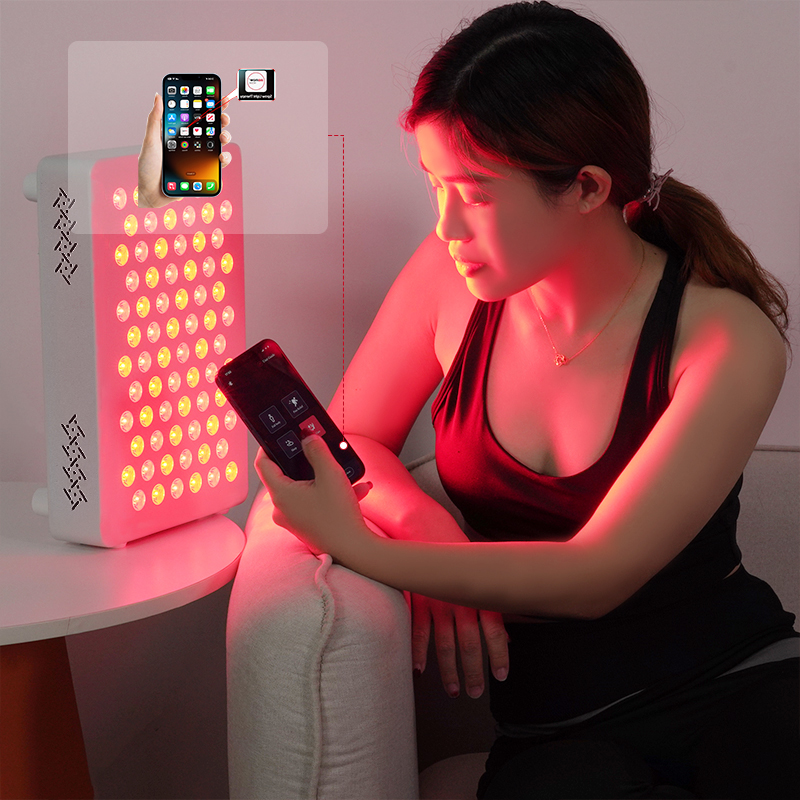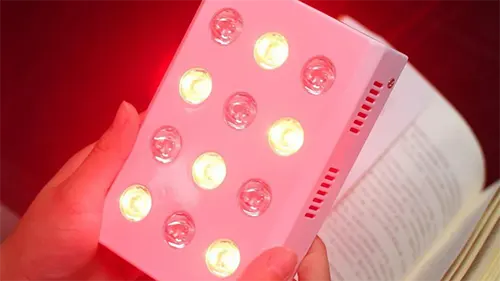
Red light therapy (also known as photobiomodulation therapy) offers multiple potential benefits for middle-aged and elderly populations. It primarily uses low-level red or near-infrared light to irradiate tissues, promoting cellular energy (ATP) synthesis, reducing oxidative stress and inflammation, thereby assisting in the following areas:
I. Key Benefits
-
Skin Health and Anti-Aging
-
Stimulates collagen production: Improves skin elasticity, reduces wrinkles and fine lines, and alleviates skin sagging.
-
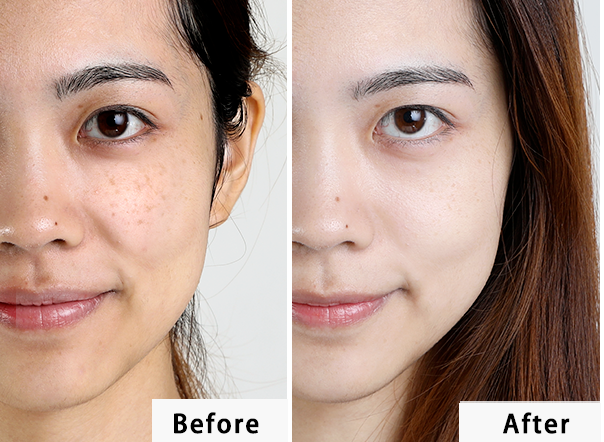
Repairs photodamage: Reduces age spots and pigmentation, accelerates wound healing.
-
Reduces inflammation: May assist in improving age-related dermatitis, eczema, and similar conditions.
-
-
Joint and Muscle Health
-
Alleviates chronic pain: Helps relieve joint pain and stiffness caused by osteoarthritis or rheumatoid arthritis.
-
Accelerates soft tissue repair: Eases muscle strain and tendonitis, shortening recovery time.
-
-
Support for Managing Chronic Conditions
-
Improves circulation and metabolism: May assist in regulating blood pressure and blood sugar (must be combined with standard medical treatment).
-
Neuroprotective effects: Near-infrared light can penetrate the skull, potentially improving cerebral blood flow and cognitive function, with possible positive implications for preventing Alzheimer’s disease (research is ongoing).
-
-
Sleep and Mood Regulation
-
Regulates circadian rhythm: Red light exposure in the evening may improve melatonin secretion and sleep quality.
-
Alleviates mild depression: Light therapy is traditionally used for seasonal affective disorder; red light may have synergistic effects.
-
-
Eye Health
-
Slows macular degeneration: Specific wavelengths of red light may help improve age-related macular degeneration (must be used under medical supervision).
-
Reduces eye strain: Low-intensity red light exposure may delay age-related vision decline (preliminary research supports this).
-
II. Important Considerations
-
Must Be Used Scientifically
-
Wavelength and dosage are critical: Common effective wavelengths are 630–670 nm (red light) and 800–880 nm (near-infrared light). Use only compliant devices.
-
Avoid overexposure: Single sessions generally should not exceed 10–20 minutes; excessive exposure may inhibit cellular activity.
-
-
Contraindications and Precautions
-
Use with caution in individuals with photosensitivity or autoimmune diseases such as systemic lupus erythematosus.
-
Avoid direct irradiation on skin cancer or suspicious lesions.
-
Consult a doctor if taking photosensitizing medications (e.g., certain antibiotics).
-
-
Not a Replacement for Medical Treatment
-
Red light therapy is a supplementary approach and should not replace medication or professional medical advice, especially for chronic conditions like cardiovascular disease or diabetes.
-
III. Usage Recommendations
-
When selecting home devices, choose products with medical device certification or those meeting safety standards.
-
Start with short sessions (e.g., 3–5 minutes) and observe skin reactions.
-
For chronic issues (e.g., arthritis), consistent long-term use is recommended (e.g., once daily for 4–8 weeks).
-
Always consult a doctor or rehabilitation specialist to develop a plan tailored to your health condition.
Red light therapy is a non-invasive physical therapy with potential benefits for middle-aged and elderly health maintenance. However, it is important to view its “health-supporting effects” rationally. Safe and beneficial outcomes can only be achieved through scientific and informed use.