What is red light therapy?
Photobiomodulation uses near-infrared light emitted by LED lights or low-energy lasers. The red light energy produces a series of biological responses at a cellular level.
Most red light therapy — especially home devices — uses LEDs that emit light on low-level wavelengths that make it appear red. It can also be administered using low-energy lasers or a combination of LEDs and lasers. Lasers are more likely to be used in professional settings than at home.
Red light therapy is available through many types of devices, including:
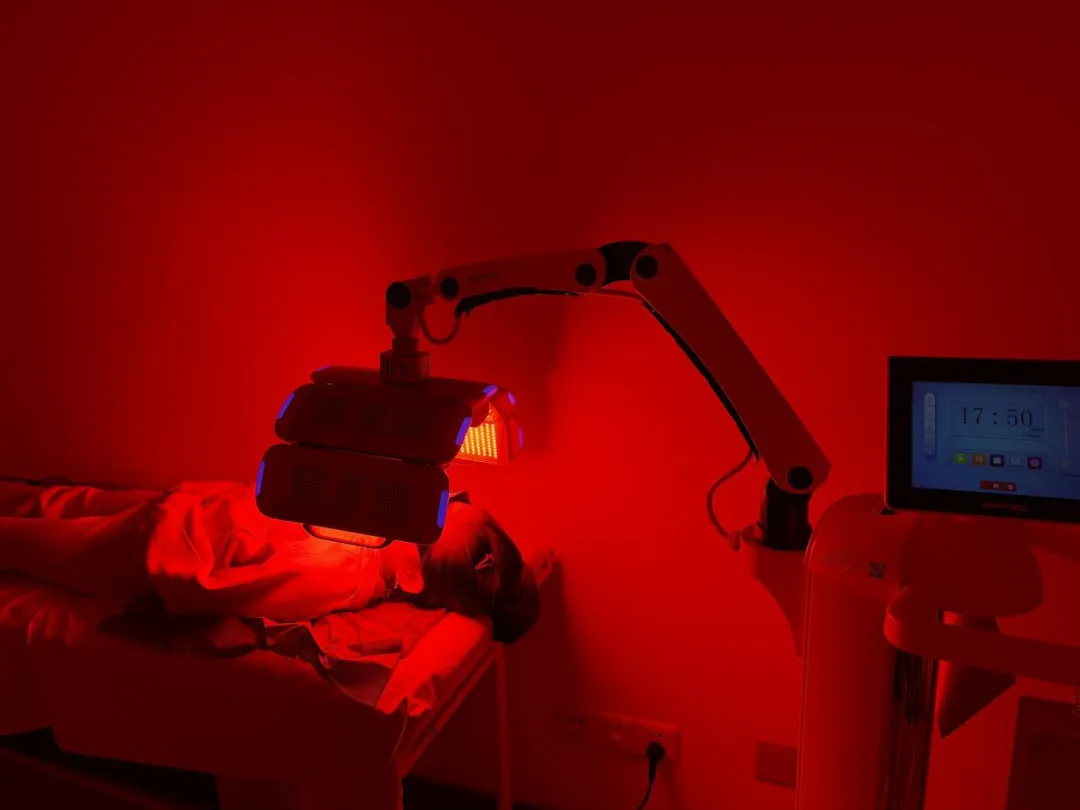
- Beds, which look like a tanning bed and expose the entire body
- Caps and helmets for your head
- Masks that fit over your face
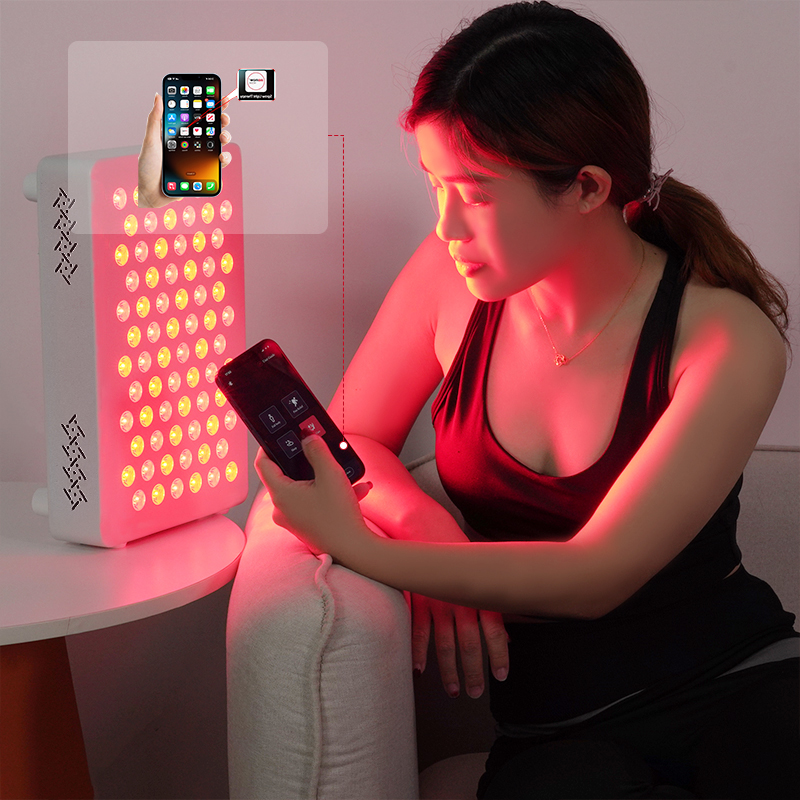
- Panels that can be mounted on a wall or placed on a table
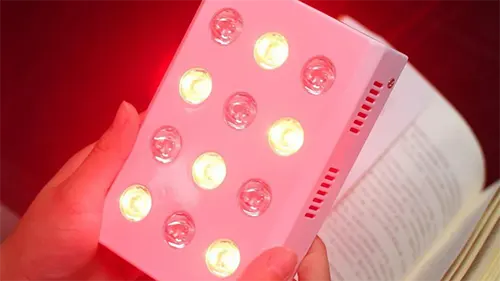
- Wands, handheld devices that you wave over the area of the body you want to treat
The type of red light device (and how often you should use it) depends on where the therapy takes place and what area of the body you’re treating.
How can red light therapy benefit your health?
Photobiomodulation is not a one-time treatment — you’ll need to use it consistently to see the best results. Researchers are still trying to determine how long and how often to use red light therapy for optimal results. They also don’t know the long-term effects.
Experts know that in the short term, photobiomodulation seems to have significant health benefits with few adverse effects.
How does red light therapy supposedly work?
Red light therapy is thought to work by acting on the “power plant” in your body’s cells called mitochondria. With more energy, other cells can do their work more efficiently, doing things like repairing skin, boosting new cell growth and enhancing skin rejuvenation. More specifically, certain cells absorb light wavelengths and are stimulated to work.
Red light therapy may work in skin health to:
- Stimulate collagen production, which gives skin its structure, strength and elasticity.
- Increase fibroblast production, which makes collagen. Collagen is a component of connective tissue that builds skin.
- Increase blood circulation to the tissue.
- Reduce inflammation in cells.
For what skin conditions is red light therapy being tried?
Red light therapy is promoted as a treatment for some common skin conditions, including to:
- Improve wound healing.
- Reduce stretch marks.
- Reduce wrinkles, fine lines and age spots.
- Improve facial texture.
- Improve psoriasis, rosacea and eczema.
- Improve scars.
- Improve sun-damaged skin.
- Improve hair growth in people with androgenic alopecia.
- Improve acne.
Is Red Light Therapy Right for You?
Red light therapy is safe for most skin types and has minimal side effects. However, if you have a medical condition or are taking photosensitizing medications, consult with a dermatologist before starting treatment.
The science-backed benefits of red light therapy make it a powerful tool for maintaining healthy, radiant skin. Whether you want to reduce wrinkles, improve skin texture, or enhance your overall glow, this treatment can be a valuable addition to your skincare regimen. If you’re interested in trying red light therapy, speak with a dermatologist to find the best approach for your skin’s needs.